
SEO Title:
7 Essential Facts About Cosmetology, The Science and Art of Beauty You Should Know
URL:
/cosmetology-science-art-beauty-guide
Meta Description:
SEO Title:
7 Essential Facts About Cosmetology, The Science and Art of Beauty You Should Know
URL:
/cosmetology-science-art-beauty-guide
Meta Description:
Learn what cosmetology is, how professional makeup artistry, hair cutting and styling, and facial beauty treatments work, and why beauty therapist training drives the beauty and skincare industry. Explore careers, services, and expert techniques in this complete guide.
H1
Cosmetology, The Science and Art of Beauty
Cosmetology focuses on the science and art of beauty. You learn how hair cutting and styling, facial beauty treatments, and professional makeup artistry affect appearance. Training includes understanding the interactions between skin, hair, and products. Every technique has a purpose and a measurable effect.
Practice hygiene, client advice, and accurate application. In cosmetology training, you learn to combine science and practical techniques. Salons, spas, and studios use these skills every day. The beauty and skin care industry is growing because skilled estheticians are able to provide results that customers can trust. Studying cosmetology gives you the tools to increase your confidence and professional abilities.
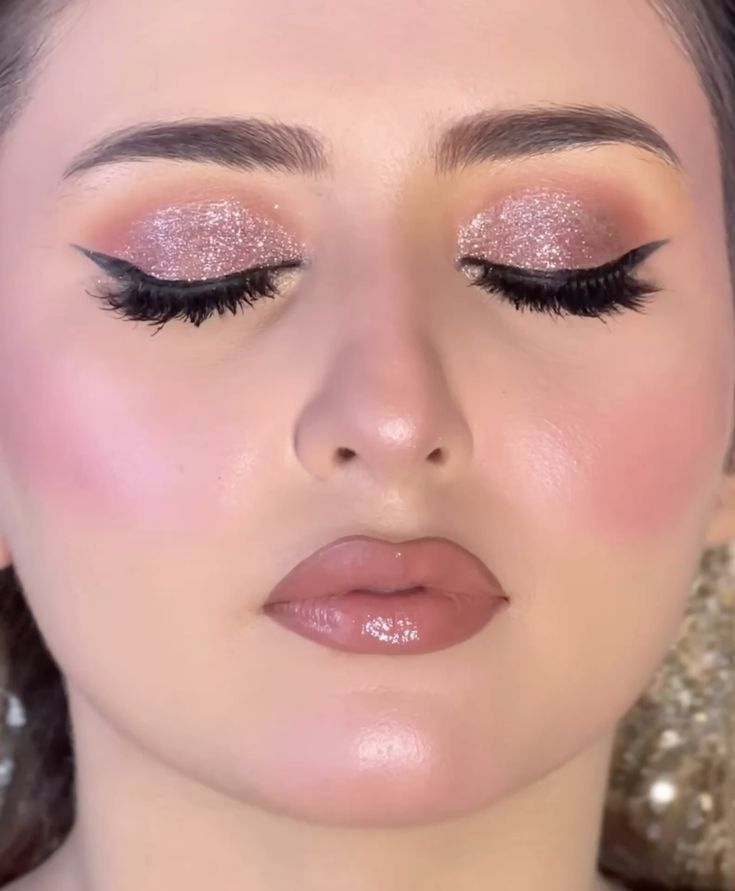
What does cosmetology really mean in the world of beauty?
Cosmetology is more than just doing your hair or makeup. It includes aesthetic therapy techniques, product knowledge and hygiene practices. You will also learn about customer interactions and professional ethics. These skills produce results that customers notice immediately. Cosmetology creates consistency in services and ensures safe, reliable results.
Training combines science and creativity. You study how hair reacts to chemicals, how skin reacts to products, and how facial features influence makeup Understanding these details will help you produce professional work that will earn your clients’ respect. A qualified cosmetologist makes choices that protect your health and improve your appearance
H3
How did the concept of beauty evolve into modern cosmetology?
Ancient cultures used oils, pigments, and treatments to enhance appearance.
H3
How the Idea of Beauty Evolved Into Modern Cosmetology
Ancient cultures used oils, pigments, and treatments to enhance appearance. Modern cosmetology formalized these practices with science and education. Cosmetology training programs now include anatomy, chemistry, and hygiene alongside styling and makeup.
H2
The Science Behind Cosmetology Treatments
Science supports every service. Skin reacts to products based on type, moisture, and sensitivity. Hair reacts to heat, chemicals, and environmental conditions. Understanding these principles ensures safe, effective results.
You study biology, chemistry, and product science. A treatment plan uses this knowledge. Facial beauty treatments remove impurities and hydrate skin. Hair coloring requires understanding cuticles and pigments. This foundation separates trained professionals from amateurs.
Healthy skin needs careful assessment. Cosmetologists identify oil production, sensitivity, and hydration. Proper technique improves skin health. Beauty and skincare industry depends on this knowledge to maintain standards and results.
H2
The Artistic Side of Cosmetology
Cosmetology combines science with creativity. Makeup artists and stylists shape appearance while enhancing natural features. Clients notice balance, symmetry, and color coordination.
Training emphasizes creativity alongside practical skills. Hair design, makeup application, and styling follow principles of aesthetics. Professionals apply techniques learned in professional makeup artistry and advanced training programs to produce consistent results.
H3
Makeup Artistry and Facial Balance
Every client has unique features. Professionals use color, contouring, and highlighting to enhance symmetry. Techniques taught in beauty therapist training produce predictable, professional outcomes.
H2
Essential Skills Every Cosmetologist Must Master
Technical skills include hair cutting, coloring, styling, and makeup. Hygiene, consultation, and client management are equally important. Professionals combine these skills for success.
You also need precision, timing, and adaptability. Understanding hair cutting and styling methods, product interactions, and skin types improves results. Trained cosmetologists meet expectations consistently and safely.
H3
Precision Hair Cutting and Styling Methods
Cosmetologists study angles, lengths, and movement. Training includes modern techniques and classic styles. Mastering these techniques can separate the veterans from the newcomers in the beauty and skin care industry.
H2
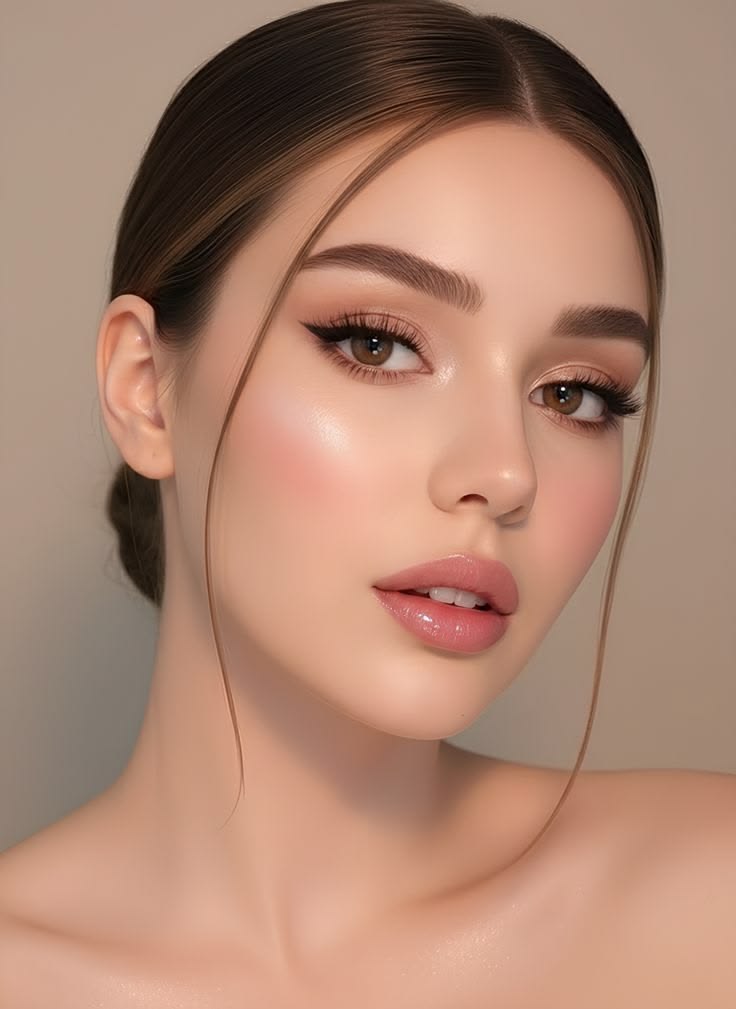
Popular beauty services in modern salons
The salon offers haircuts, coloring, facials, skin and nail treatments. Each service requires specific skills and knowledge. Customers expect reliable results, and training ensures that standards are met. Table: Popular beauty services
Notes on the purpose of the service
Hair color Change color tone, cover gray hair Requires knowledge of hair structure
Facial care: Cleansing, moisturizing, improving texture. Consider your skin type.
Makeup events, photo shoots, personal styling – fusion of color theory and techniques
Nail care maintenance and polishing requires hygiene and precision.
H3
skin care and facial care
Facial and skin care products purify, moisturize and restore balance. Specialists use the knowledge acquired during cosmetology training to select treatments.
. These services maintain skin health and improve appearance.
H2
Reasons Cosmetology Plays a Major Role in the Beauty Industry
Cosmetology improves confidence A haircut or skin care routine can change a person’s mood. Professionals support the global economy by earning income through their services, products, and training. Cosmetology combines science and creativity to consistently achieve professional results.
Professional make-up, haircut, hairdressing and facial care training ensures a high standard. Salons rely on trained estheticians to maintain quality and customer satisfaction.
H3
Impact on Career Opportunities
Professionals trained in cosmetology gain multiple career paths. They work in salons, spas, film, fashion, and education. Skilled cosmetologists are in constant demand in the beauty and skincare industry.
H2
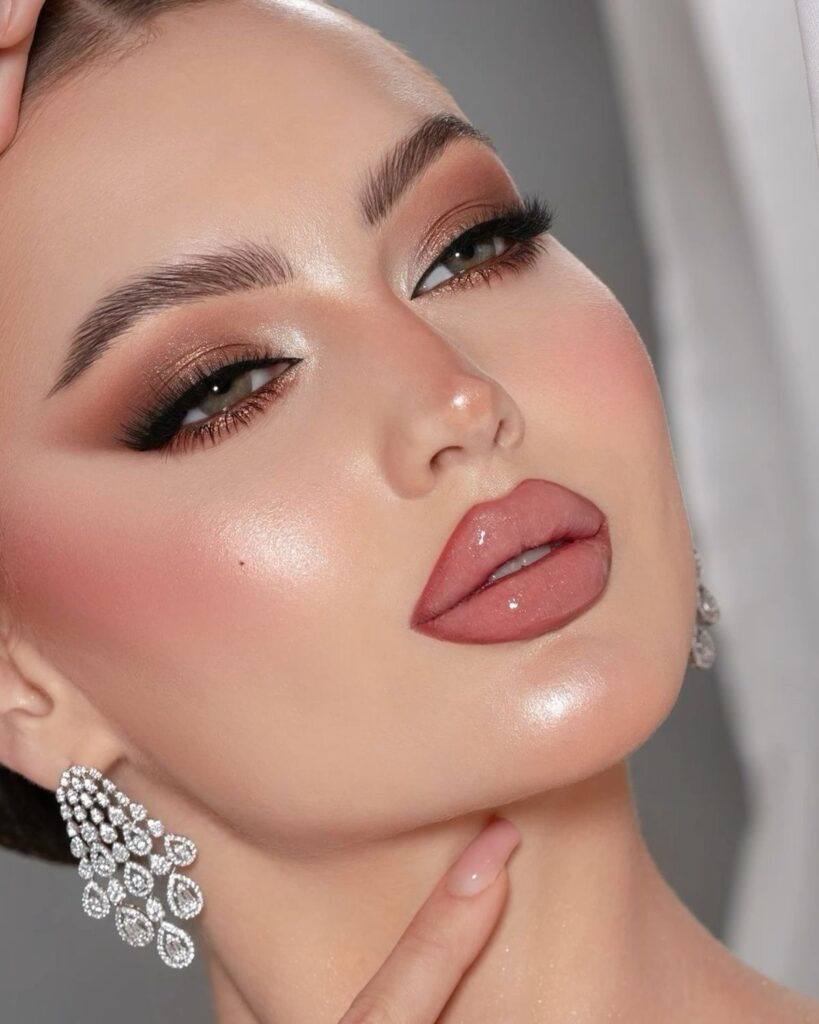
Reasons Many People Choose Cosmetology as a Career
Cosmetology offers income, creativity, and flexibility. Professionals work in salons, media, film, or private studios. Students learn hair cutting and styling, facial beauty treatments, and professional makeup artistry to open multiple career paths.
The industry grows steadily. Flexible schedules and entrepreneurship appeal to many. Training programs equip professionals to meet client needs efficiently while maintaining standards in the beauty and skincare industry.
H2
The Future of Cosmetology and Beauty Innovation
Technology is changing training and treatment. Digital skin analysis, online courses, and new product formulations improve outcomes. Professionals are using new tools to maintain high standards.
Education is evolving as demand increases. Students have access to online beauty training courses and best practices. Estheticians of the future will combine science, creativity, and technology to provide safe and effective services. H2
Beauty FAQ
Question 1: Simply put, what is beauty?
Answer: Cosmetology is the study and practice of beauty services such as haircuts, styling, makeup, skin care, and nail care.
Q2: What skills do beauticians need?
Answer: Skills include professional makeup, facial care, customer consultation, hygiene, and product knowledge. Question 3: How much time does it take to study beauty?
A: Programs typically last between 9 and 18 months depending on certification and school requirements.
Question 4: Is being a hairdresser a good profession?
A: Yes. Professionals work or teach in salons, media outlets, and independent studios. Skills can increase your income and opportunities.